


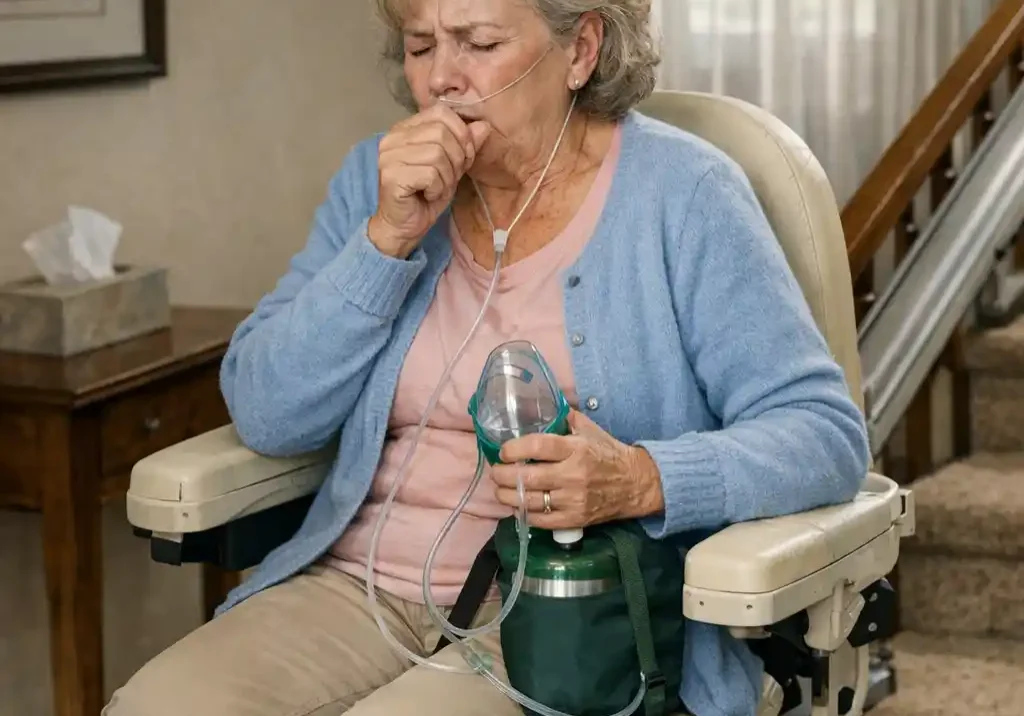


How is a diagnosis performed?
Diagnosing pulmonary fibrosis involves a combination of examinations and specialised tests. Your healthcare team may use several different investigations to assess your lung health, rule out other conditions and build a clear picture before confirming a diagnosis.
Blood test

Stethoscope
Lung function tests
High resolution computed tomography (HRCT)
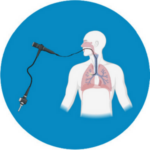
Bronchovascular lavage
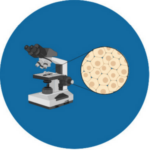
Thoracoscopic lung biopsy
Content acknowledgements: © 2022 by the University of Hull and Authors. A Patient's Guide to Pulmonary Fibrosis Second Edition

Join the PF Trust mailing list
There is a strong pulmonary fibrosis community, sharing experiences and providing support.
As a part of the community, the Pulmonary Fibrosis Trust has a platform available to all to raise awareness and provide support to each other.
Make sure you follow us on social media and join our PF Trust mailing list to receive the newsletter and regular updates.
Please read our privacy policy here.