




MPs hear patient’s testimony as experts warn serious lung disease may affect three times more people than previously thought
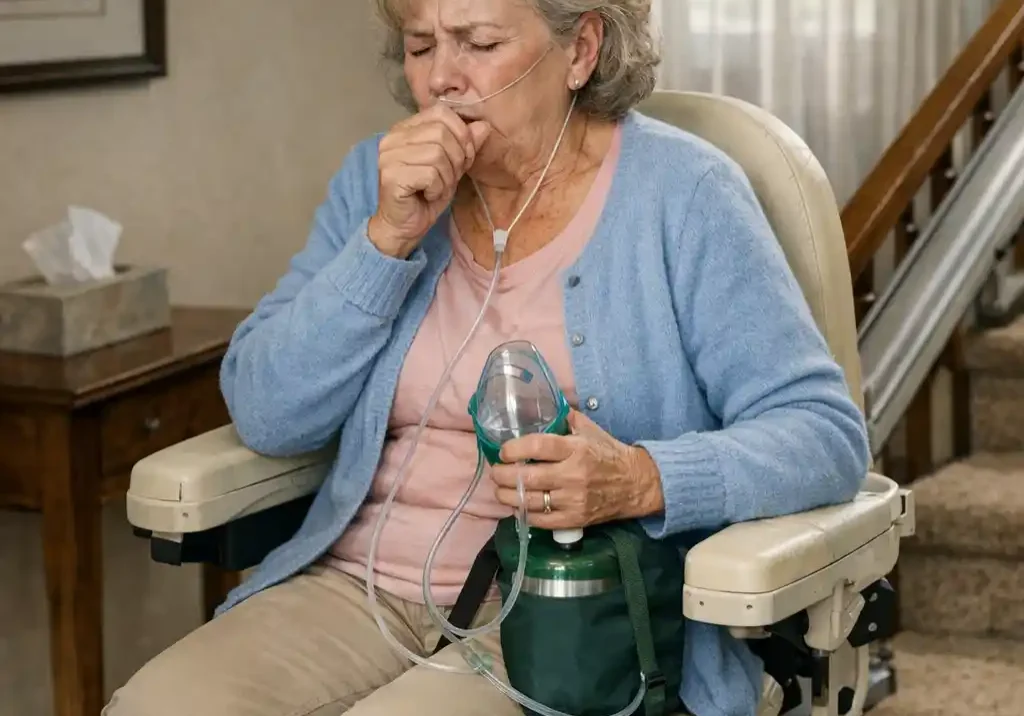
At 38, Katie should be planning for the future and watching her 15-year-old son Archie grow up. Instead, she lives with a serious interstitial lung disease that leaves her needing oxygen when walking and wondering whether she will be there to see him become an adult.
Her story was shared with MPs today at Westminster as clinicians warned that pulmonary fibrosis and related interstitial lung diseases (ILDs) may affect around 200,000 people in the UK, approximately three times higher than previous estimates.
The evidence was presented during the Pulmonary Fibrosis Trust’s first-ever Westminster briefing, hosted by Jim Shannon MP, which brought together patients, clinicians and policymakers to discuss the growing burden of pulmonary fibrosis and the urgent need for improved specialist care.
MPs heard findings from the Trust’s latest patient and carer survey, which gathered 517 responses and more than 4,000 individual answers from people affected by pulmonary fibrosis across the UK.
The findings revealed a condition that affects far more than breathing, with significant impacts on mental wellbeing, independence, family life and financial security.
Key findings included:
- 70.5% reported anxiety, depression or isolation associated with their condition
- More than six in ten needed help with at least one daily activity
- 43.6% reported financial impacts linked to their diagnosis
- 75.2% said oxygen restricted their ability to travel or socialise
- More than a third had considered stopping treatment because of difficulties tolerating medication
The Trust used the briefing to urge NHS England to finalise and publish updated national standards for specialist ILD services, arguing that patients continue to face delays in diagnosis, inconsistent information and variation in access to specialist care.
MPs also heard from Professor Peter George, Consultant Respiratory Physician and Clinical Lead for the Interstitial Lung Disease Unit at Royal Brompton Hospital, who highlighted newly published research suggesting ILD is no longer a rare disease. The study estimates that around 200,000 people are living with ILD in the UK and that approximately 60,000 new cases are diagnosed every year.
Katie, from Southeast London, worked in dentistry for almost 20 years before her condition progressed. Although she continues to work, she has had to step away from clinical practice and now struggles with everyday activities, including climbing the stairs in her own home.
In testimony shared with the Trust, Katie said: “I certainly never imagined having to wonder how much of my son’s life I might get to see, but that is the reality I now live with.”
She added: “Getting through a working day does not mean someone is well enough to enjoy the life waiting for them when they get home. Sometimes the energy I spend trying to maintain my independence is the very energy I wish I could give to my family. That is a painful compromise.”
Jim Shannon MP, Chair of the APPG for Respiratory Health, said: “Pulmonary fibrosis is recognised within NHS respiratory disease strategies and long-term conditions programmes but, unlike cancer or COPD, there is no dedicated national pulmonary fibrosis strategy for England.
As a consequence, at the moment we see delayed diagnosis, with many patients experiencing symptoms for months or years before referral; variation in access to specialist ILD services across regions; and a growing demand on services as the UK population ages and awareness improves.
The All-Party Parliamentary Group for Respiratory Health has been pressing for some time for a National Action Plan, or a similar dedicated policy strategy for respiratory health, and there is no doubt that the lives of pulmonary fibrosis patients would benefit from this.”
Peter Bryce, Chairman of the Pulmonary Fibrosis Trust, said: “Pulmonary fibrosis remains a condition that is too often hidden in plain sight. Behind every statistic is a person whose life has been transformed by a serious and often life-limiting lung disease. Katie’s story brings home the reality of what that means, not just for patients but for their children, families and everyone around them.
Today’s briefing was an important opportunity for parliamentarians to hear directly from people living with pulmonary fibrosis and from the clinicians who care for them.
Patients need answers when symptoms first appear, clear information when they are diagnosed and access to specialist care and support throughout their illness. Where someone lives should not determine the quality of care they receive.”
For Katie, the issue goes beyond clinical stability.
“Being medically stable is not the same as living well. Quality of life, independence, emotional wellbeing and the effect of illness on the whole family must matter too.
At 38, I should not have to spend so much time wondering how much life I might have left. I want to spend that time living it.”